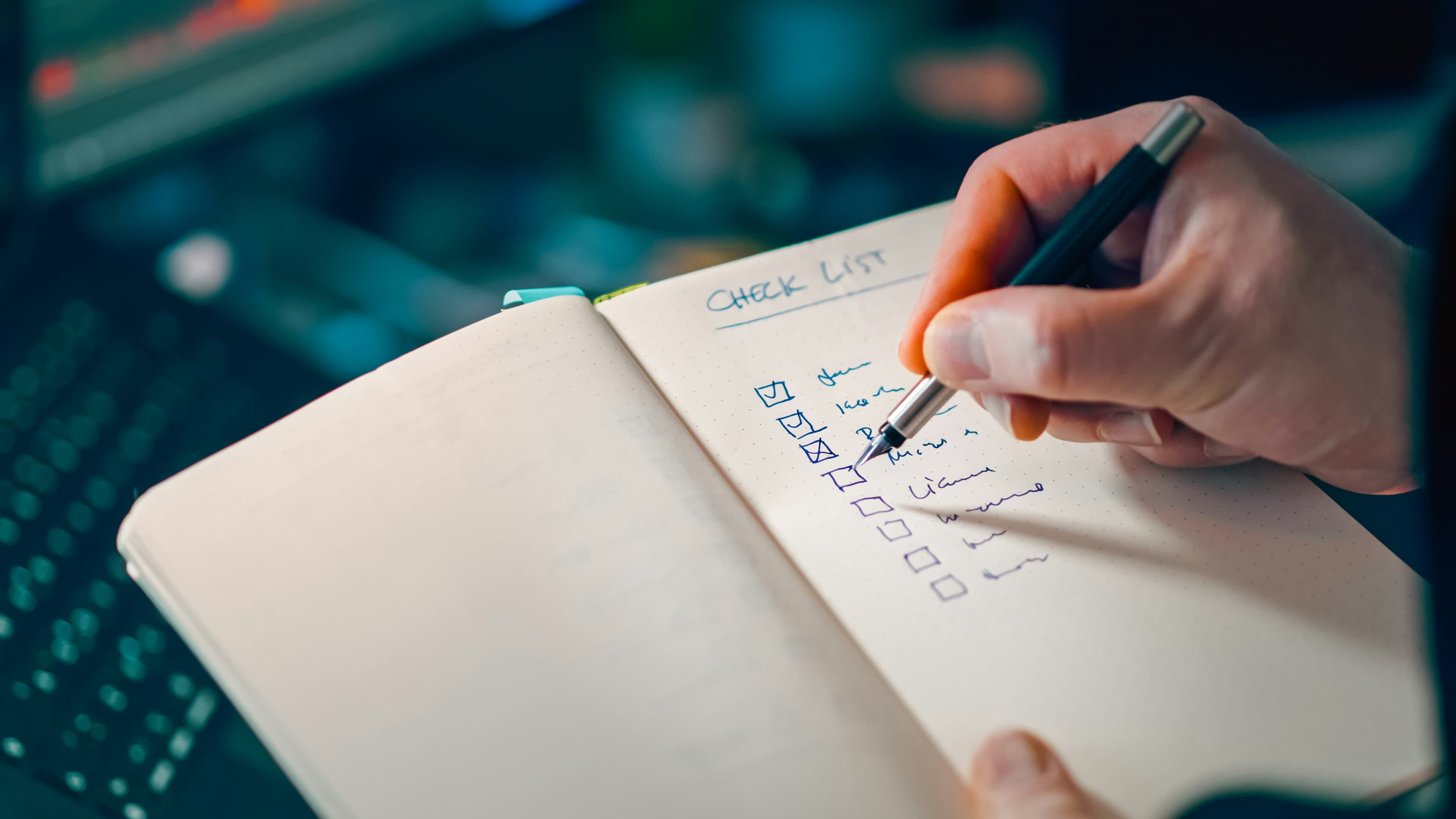
If you are deciding between a habit tracker app and a paper tracker, this guide helps you choose based on consistency, friction, and your real schedule.
Most people do not fail because they picked the wrong system. They fail because the system they chose was hard to use on busy days. Your best tracker is the one you can keep using when life gets messy.
Quick Answer: App vs Paper
Here is the simple version:
| Situation | Better Choice | Why |
|---|---|---|
| You want reminders and streak rescue | Habit tracker app | Prompts and recovery flows reduce missed days |
| You prefer writing by hand and fewer notifications | Paper tracker | Lower screen time and tactile reflection |
| You travel often or switch routines | Habit tracker app | Your plan is always with you |
| You do one deep weekly review | Paper tracker | Easy long-form journaling |
Neither option is universally better. Match the tool to your constraints, not your ideal self.
A good tracker should make the next action obvious in under 10 seconds.
What Actually Predicts Habit Consistency
Research on habit formation shows behavior becomes automatic through repetition in a stable context, not through perfect motivation (Lally et al.).
In practice, consistency usually depends on:
- low friction to log and restart
- clear cues for when to act
- quick recovery after misses
- visible progress that feels rewarding
If your current method adds too many steps, you will skip it first, then skip the habit itself.
Where Habit Tracker Apps Win
An app is usually stronger when you need support at the exact moment decisions happen.
1) Real-time reminders
Phone reminders tied to time or context can interrupt autopilot behavior before you miss your habit.
2) Fast logging on chaotic days
With one tap, you can mark completion and move on. That matters when your calendar is full.
3) Better streak recovery
Most people miss days. What matters is how fast they return. If this is a challenge for you, use the Streak Recovery Planner and keep a fallback version of each habit.
4) Pattern visibility
Apps make it easier to spot trends like "I miss workouts on late meeting days" so you can redesign cues and timing.
Where Paper Tracking Wins
Paper still works very well for people who enjoy reflection and want less digital noise.
1) More deliberate thinking
Writing by hand can slow you down in a useful way, especially during weekly reviews.
2) Reduced notification fatigue
If your phone already creates distraction, paper can feel calmer and easier to trust.
3) Strong ritual effect
Opening the same notebook every evening can become a powerful cue by itself.
Paper works best when your routine is stable and your notebook stays visible in the same location.
The Hidden Cost: Restart Friction
The most important question is not "Which tracker is better?" It is "Which tracker makes restart easiest after a miss?"
Use this quick test:
- Skip two days on purpose.
- Restart on day three in under 2 minutes.
- Keep the system that feels easiest to resume.
If restarting feels heavy, lower the action size. Never Miss Twice is a useful rule here.
A Practical Hybrid System (Best for Most People)
You can combine both methods:
- Use an app for daily check-offs and reminders
- Use paper once a week for reflection and planning
- Keep one "minimum version" for each habit
- Review weekly misses without self-judgment
This gives you speed during the week and depth during review.
Build Your Tracker Decision in 15 Minutes
Try this short setup:
- Pick your top 3 habits only.
- Define the cue for each habit in "After X, I do Y" format.
- Set a minimum version (2 to 5 minutes).
- Choose app, paper, or hybrid based on restart ease.
- Test for 7 days before changing anything.
If you need help choosing realistic habit sizes, run the Habit Formation Calculator.
Common Mistakes to Avoid
- tracking too many habits at once
- using detailed metrics before consistency exists
- changing systems every few days
- treating one miss as failure
- copying someone else's routine without matching your schedule
Implementation intentions also improve follow-through when plans are specific (Gollwitzer and Sheeran).
Conclusion
Both paper and app tracking can work. The better choice is the one that keeps your habit alive on difficult days.
Start with a small system, test for one week, and optimize for restart speed. If you want reminders, streak protection, and quick logging in one place, try Make Good Habits and keep your plan simple.
FAQ
Is a habit tracker app better than paper?
It depends on your routine. Apps are better for reminders and fast logging. Paper is better for reflection and low-screen workflows.
Can I switch from paper to an app later?
Yes. Keep the same habit cues and minimum actions, then migrate your tracking method only.
How many habits should I track at once?
Start with 1 to 3 habits. Consistency is easier when the system is small.
What if I keep missing days no matter what?
Reduce habit size and make restart easier. Focus on showing up, not intensity.
References
Ready to Build Better Habits?
Download Make Good Habits and start your journey today.
Download on the App Store