
Healthcare Worker Habits
Habit Plan for Nurses on 12-Hour Shifts
Use this habit plan for nurses on 12-hour shifts to stay consistent with sleep, energy, and recovery even when your schedule changes every week.
2026-03-0910 min read
Tips, insights, and science-backed strategies to help you build better habits and transform your life.
Use this habit plan for nurses on 12-hour shifts to stay consistent with sleep, energy, and recovery even when your schedule changes every week.

Use this habit plan for remote workers across time zones to stay consistent with sleep, deep work, and recovery even when your schedule shifts.

Use this habit plan for freelancers with unpredictable schedules to stay consistent with tiny actions, flexible anchors, and a weekly reset.

Use this habit plan for busy parents working full-time to stay consistent with short routines, clear cues, and realistic weekly resets.

Use this desk job back pain habit plan to reduce stiffness with short movement breaks, posture cues, and a simple weekly routine you can keep during busy workdays.

Healthy habits for night shift workers start with sleep anchors, meal timing, and tiny routines you can keep on 12-hour shifts. Use this practical plan to stay consistent.

App or paper habit tracking can both work, but each fits different routines. Use this guide to pick the option you will actually stay consistent with.

Use this simple travel habit plan to keep sleep, movement, and nutrition steady on trips without strict routines or guilt.

Lost your routine? Use this 7-day habit reset plan to rebuild consistency with small daily actions, lower friction, and realistic tracking.

Most habit advice asks for more discipline. Better results come from reducing friction so good actions are easier than bad ones.

Habit trackers can help, but they can also create pressure loops that push people to quit. Learn the signs and build a tracker system that protects consistency.

Income matters, but behavior often decides whether money creates stress or stability. This guide shows the daily money habits that change outcomes over time.

A simple Sunday reset can lower weekday stress and improve habit consistency. Use this practical routine to start your week with clarity and momentum.

Many habits fail around week two for predictable reasons. Learn the real failure points and how to rebuild your system before momentum disappears.

If your schedule feels full, you do not need longer routines. You need low-friction habit design that fits busy days and still moves you forward.

Quitting is the first win. Staying smoke-free needs a relapse prevention system. Use this guide to protect your progress through high-risk moments.

If you want to quit smoking, this step-by-step plan gives you a clear timeline, trigger strategy, and daily actions you can start right now.
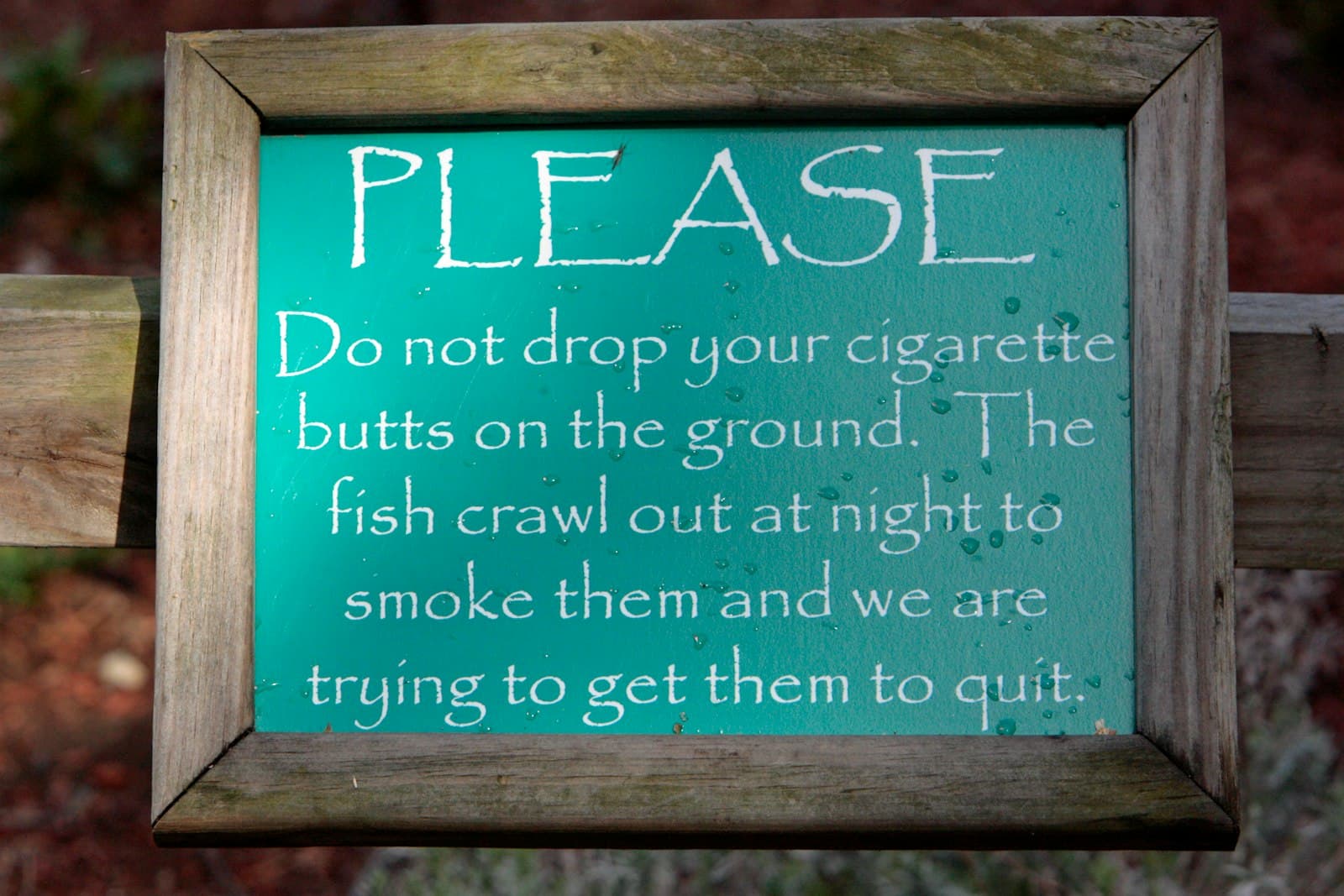
Quitting smoking is easier when you treat nicotine dependence like a solvable health problem. Learn what works, what to avoid, and how to build a plan.

Learn the science-backed strategies for creating lasting habits that transform your daily routine and help you achieve your goals.

Discover how successful people structure their mornings and how you can create a routine that sets you up for success.

Understanding the habit loop and using it to your advantage when trying to eliminate behaviors that no longer serve you.

Link new habits to existing ones and watch your routine transform without the struggle of building from scratch.

The psychology behind habit tracking and how visual progress indicators can boost your motivation and consistency.

Debunking the popular belief about habit formation and understanding what science tells us about building lasting change.

How celebrating small victories can fuel lasting motivation and help you achieve your biggest goals.

The simple consistency rule that makes the difference between temporary motivation and lasting change.

How to engineer your surroundings to make good habits inevitable and bad habits nearly impossible.