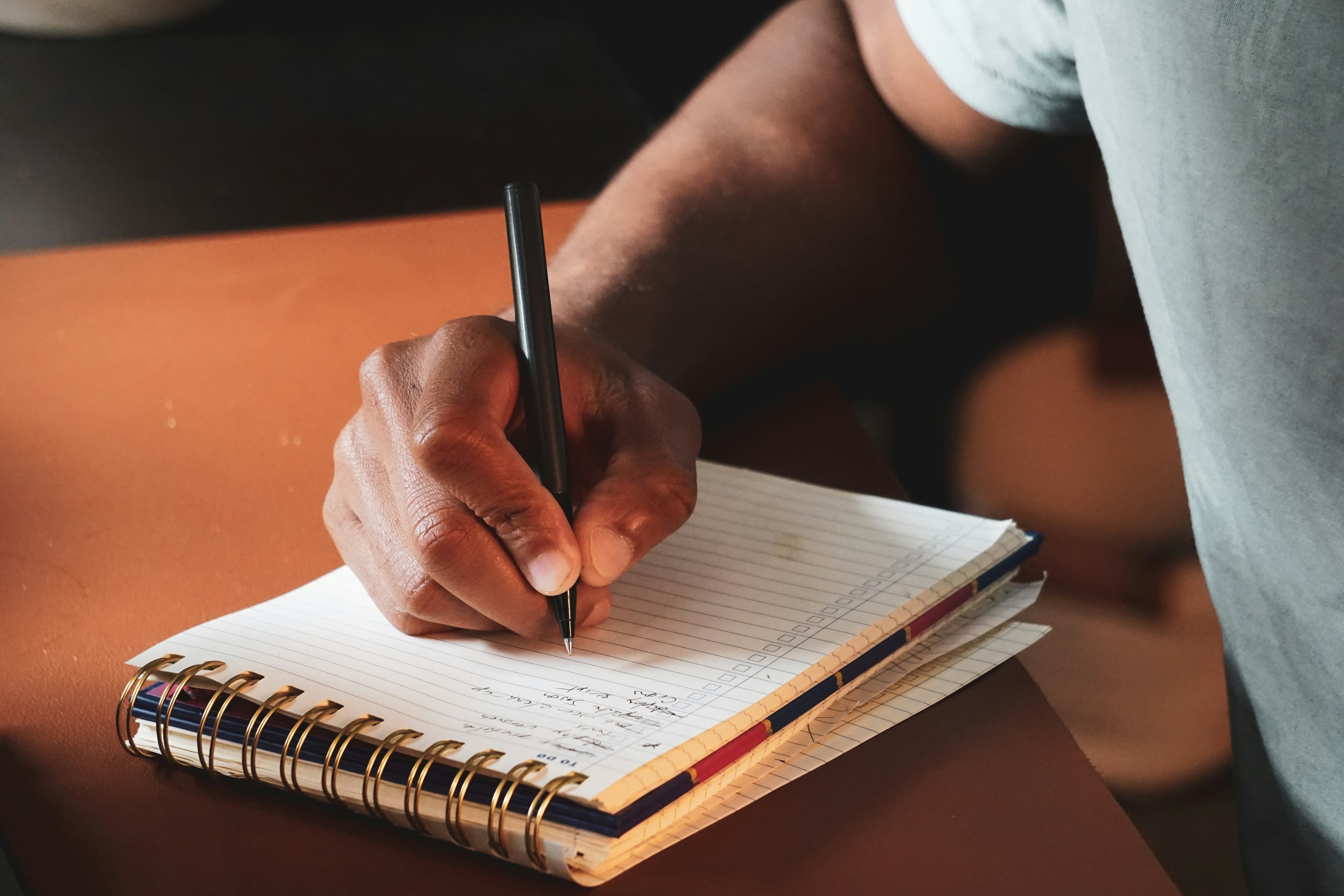
Building lasting habits is one of the most powerful ways to transform your life. Yet most people struggle with consistency. Here is what science tells us about making habits stick.
Understanding the Habit Loop
Every habit follows a simple loop: cue, routine, and reward. Understanding this loop is the first step to building better habits.
The Cue is the trigger that initiates the behavior. It could be a time of day, a location, an emotional state, or an action you just completed.
The Routine is the behavior itself, the habit you want to build or break.
The Reward is the benefit you gain from the behavior, which reinforces the habit loop.
Once you understand this loop, you can start to design habits intentionally rather than letting them form by accident.
Start Small
One of the biggest mistakes people make is trying to change too much at once. Instead, start with habits so small they feel almost trivial.
Want to start exercising? Begin with just 5 minutes a day. Want to read more? Start with one page before bed. The goal is to make the habit so easy that you cannot say no.
James Clear, author of Atomic Habits, calls this the "two-minute rule." When you start a new habit, it should take less than two minutes to do. This removes the friction that prevents most people from getting started.
Stack Your Habits
Habit stacking is a powerful technique where you link a new habit to an existing one. The formula is simple: "After I [current habit], I will [new habit]."
For example:
- After I pour my morning coffee, I will write in my journal for 2 minutes
- After I sit down at my desk, I will write down my top 3 priorities
- After I finish dinner, I will prepare my clothes for tomorrow
The key is to choose a current habit that you already do consistently. This creates a natural trigger for your new behavior.
Design Your Environment
Your environment shapes your behavior more than you realize. If you want to build better habits, start by designing your environment to make good habits easier and bad habits harder.
Want to eat healthier? Keep fruits visible on your counter and hide the junk food. Want to read more? Place a book on your pillow so you see it before bed. Want to exercise in the morning? Set out your workout clothes the night before.
Small changes to your environment can lead to big changes in your behavior over time.
Track Your Progress
What gets measured gets managed. Tracking your habits creates awareness and accountability. It also provides a visual representation of your progress, which can be incredibly motivating.
There is something deeply satisfying about marking off a completed habit. This visual progress creates momentum and makes you want to keep the streak going.
This is exactly why we built Make Good Habits, to make tracking effortless and rewarding.
Embrace Imperfection
Research shows that forming a new habit takes anywhere from 18 to 254 days, with an average of 66 days. The "21-day" myth is just that, a myth.
Give yourself grace. Missing one day does not ruin your progress. What matters is getting back on track quickly. The best habit builders are not perfect, they are resilient.
One helpful mindset is to never miss twice. If you miss a day, make it a priority to show up the next day, even if just for a few minutes.
Find Your Why
Habits are easier to maintain when they connect to something meaningful. Take time to understand why you want to build a particular habit. What will it help you achieve? How will it improve your life?
When your habits align with your values and goals, motivation becomes much easier to sustain.
Conclusion
Building habits that stick requires understanding the science behind behavior change, starting small, leveraging existing routines, designing your environment, tracking progress, and being patient with yourself.
Remember, you do not rise to the level of your goals. You fall to the level of your systems. Focus on building good systems through consistent habits, and the results will follow.
Ready to Build Better Habits?
Download Make Good Habits and start your journey today.
Download on the App Store